THE WAVE: A COLLABORATIVE, PARTICIPATORY PUBLIC ART PROJECT ON WATER
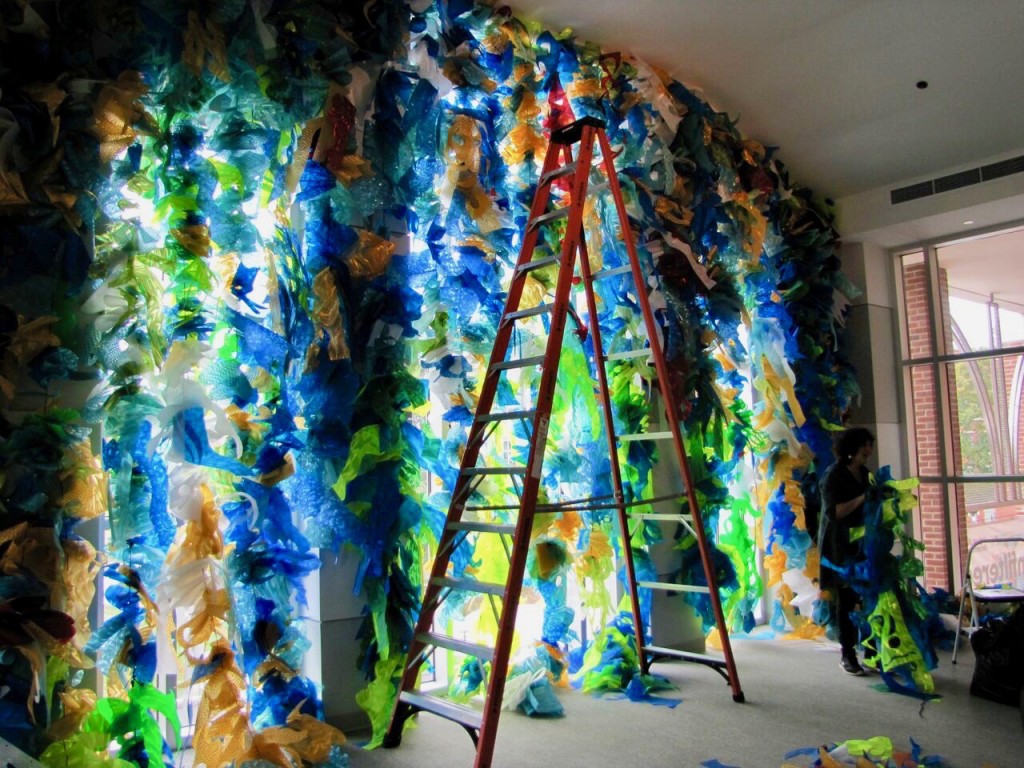
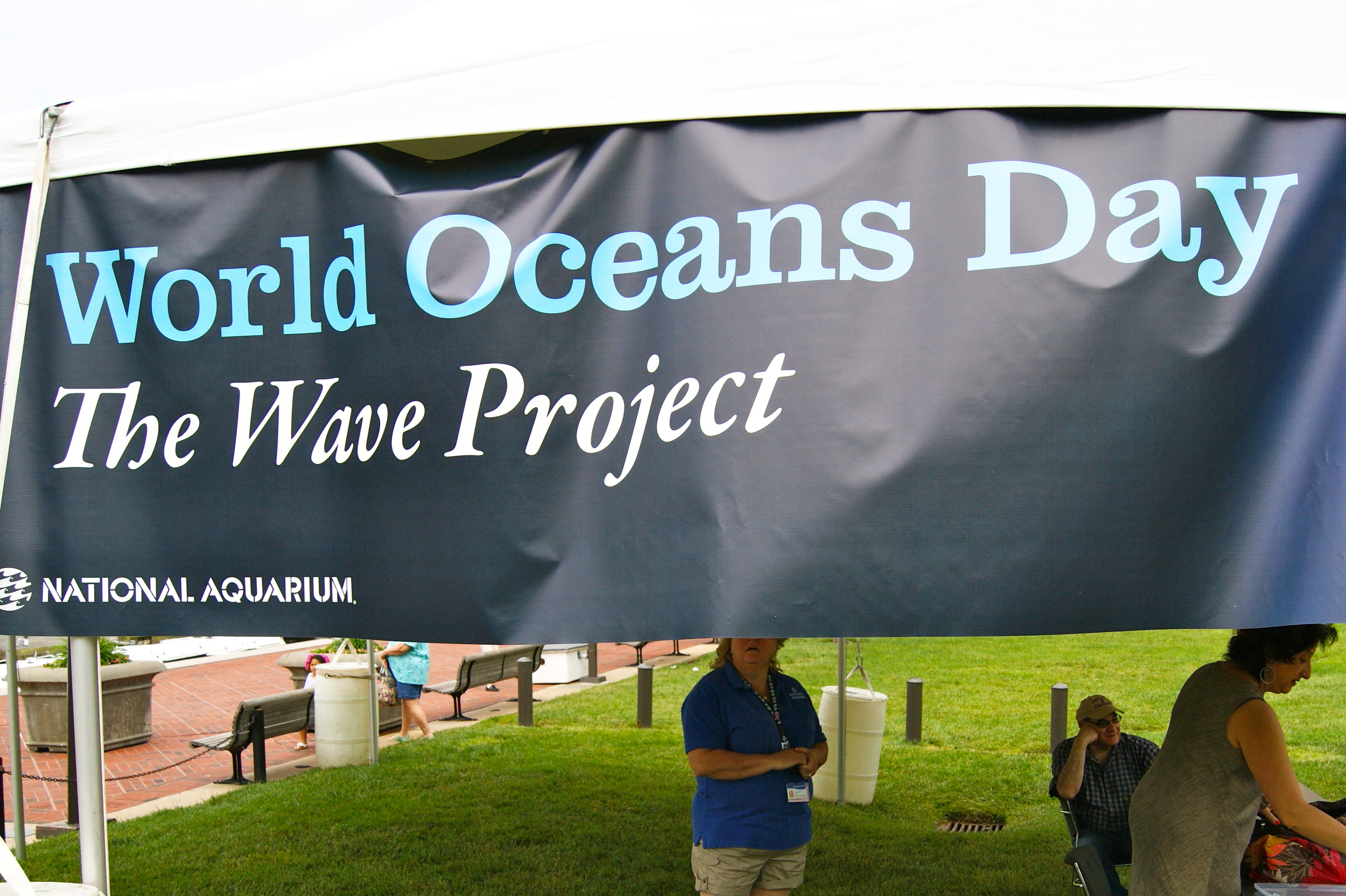
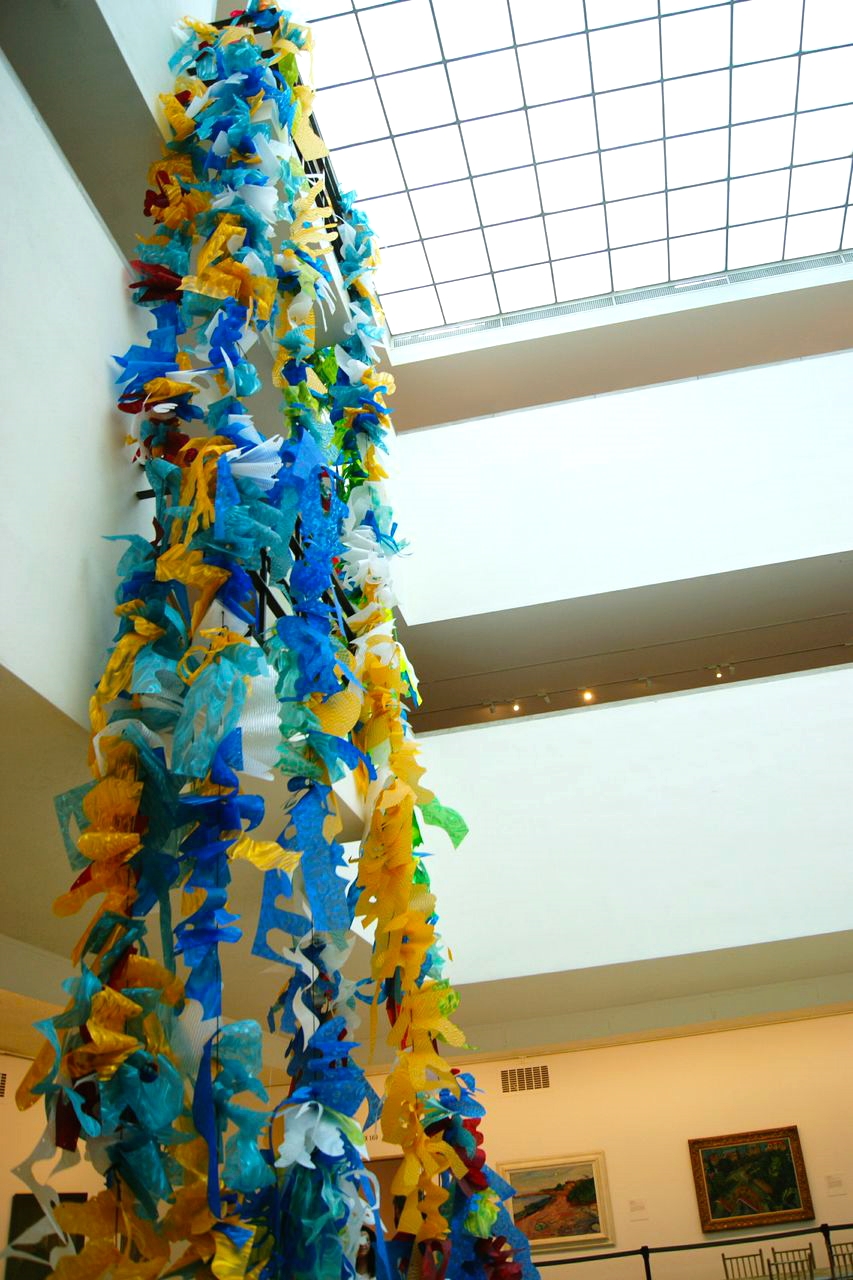
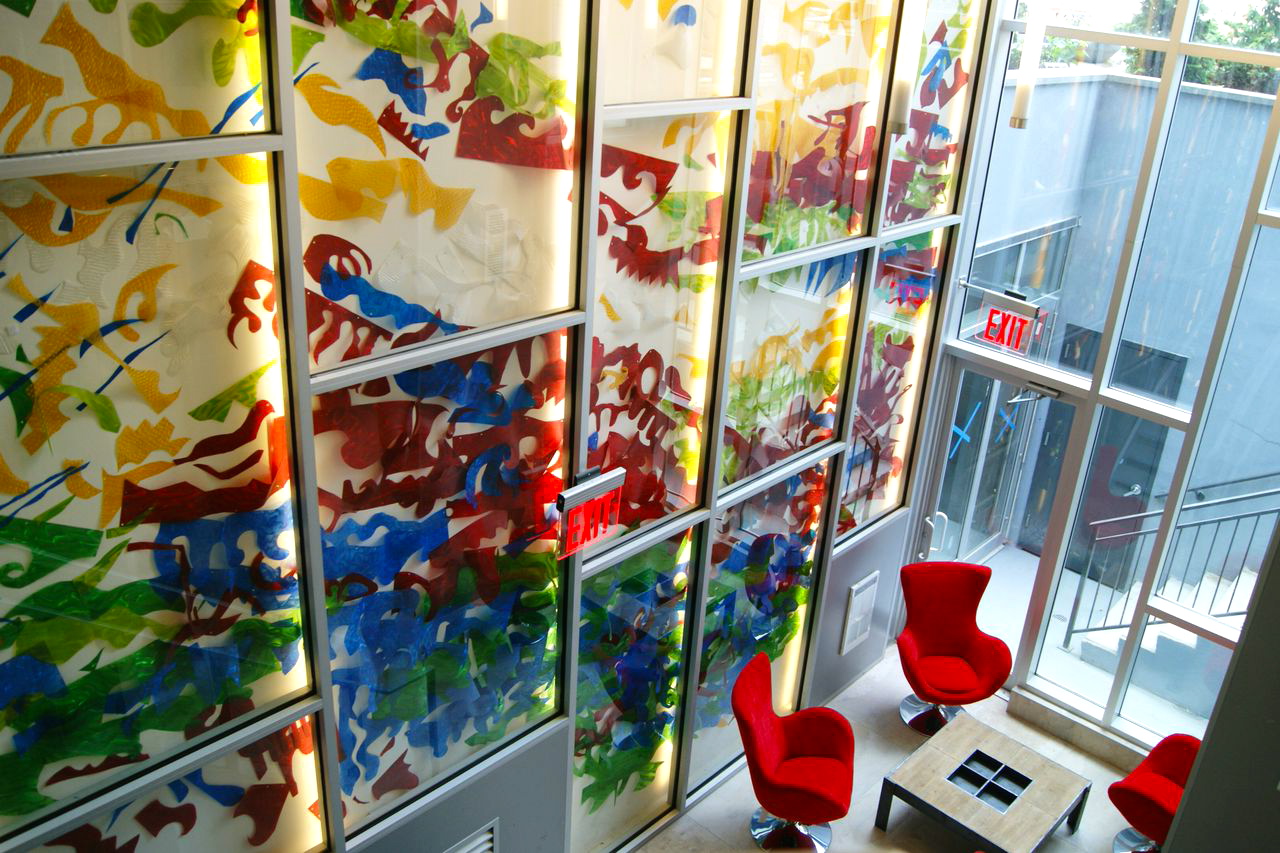
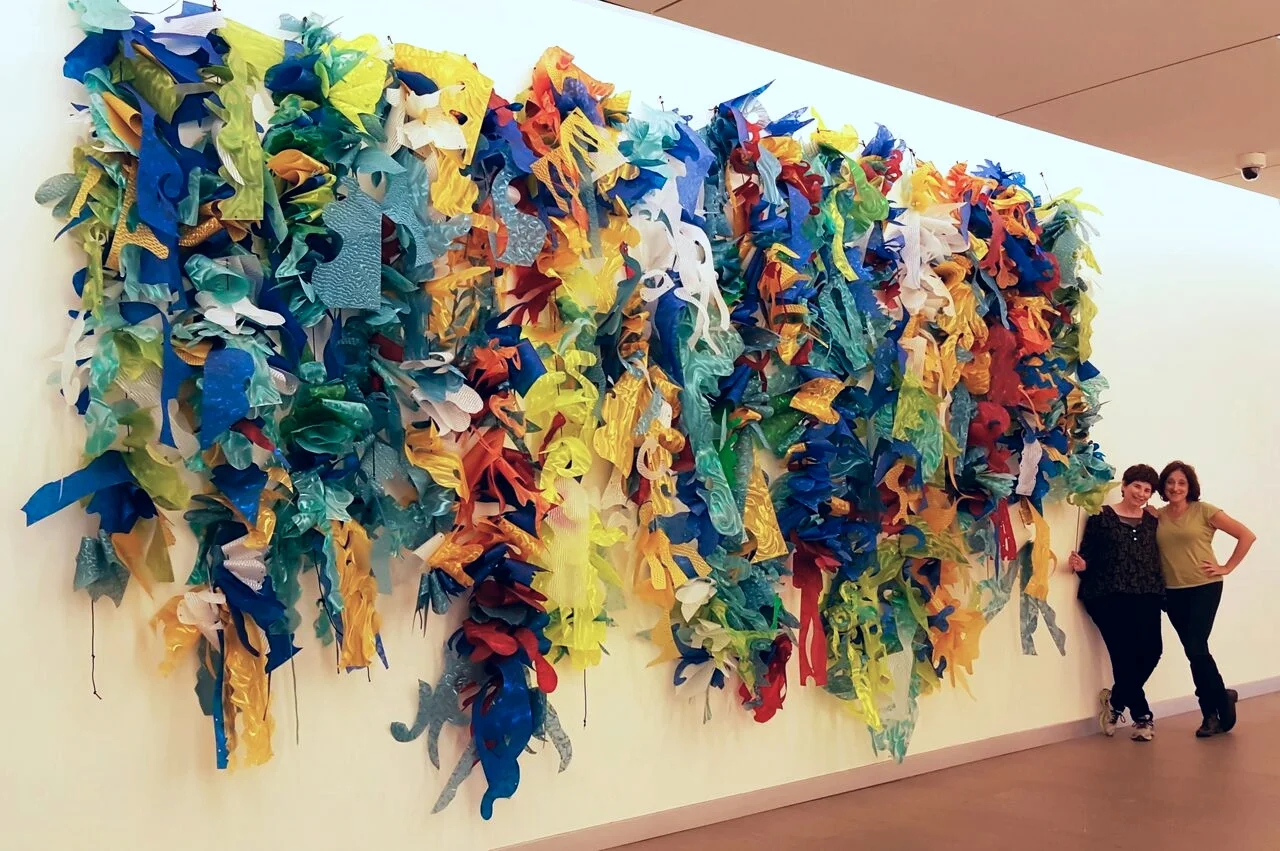
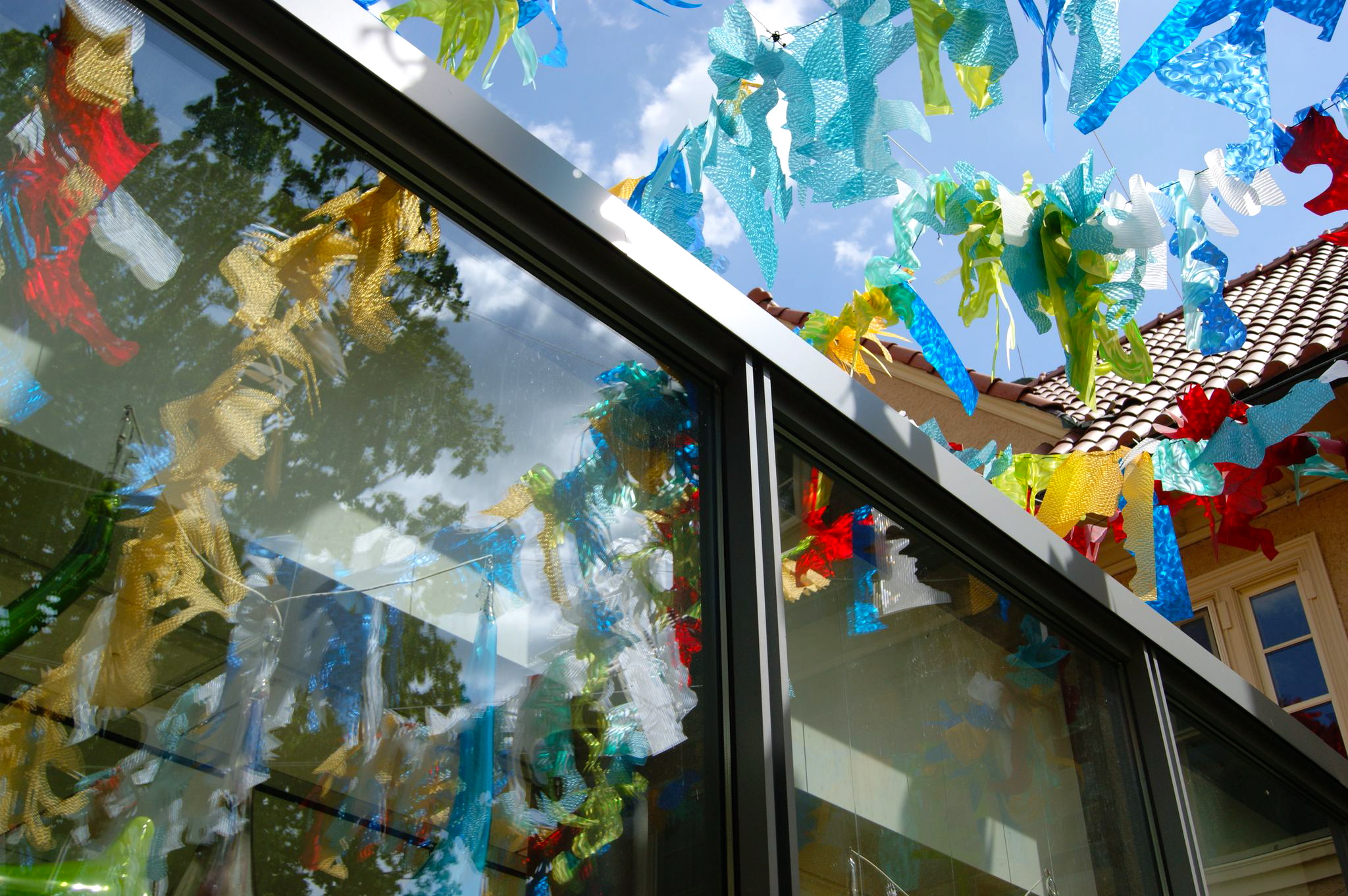
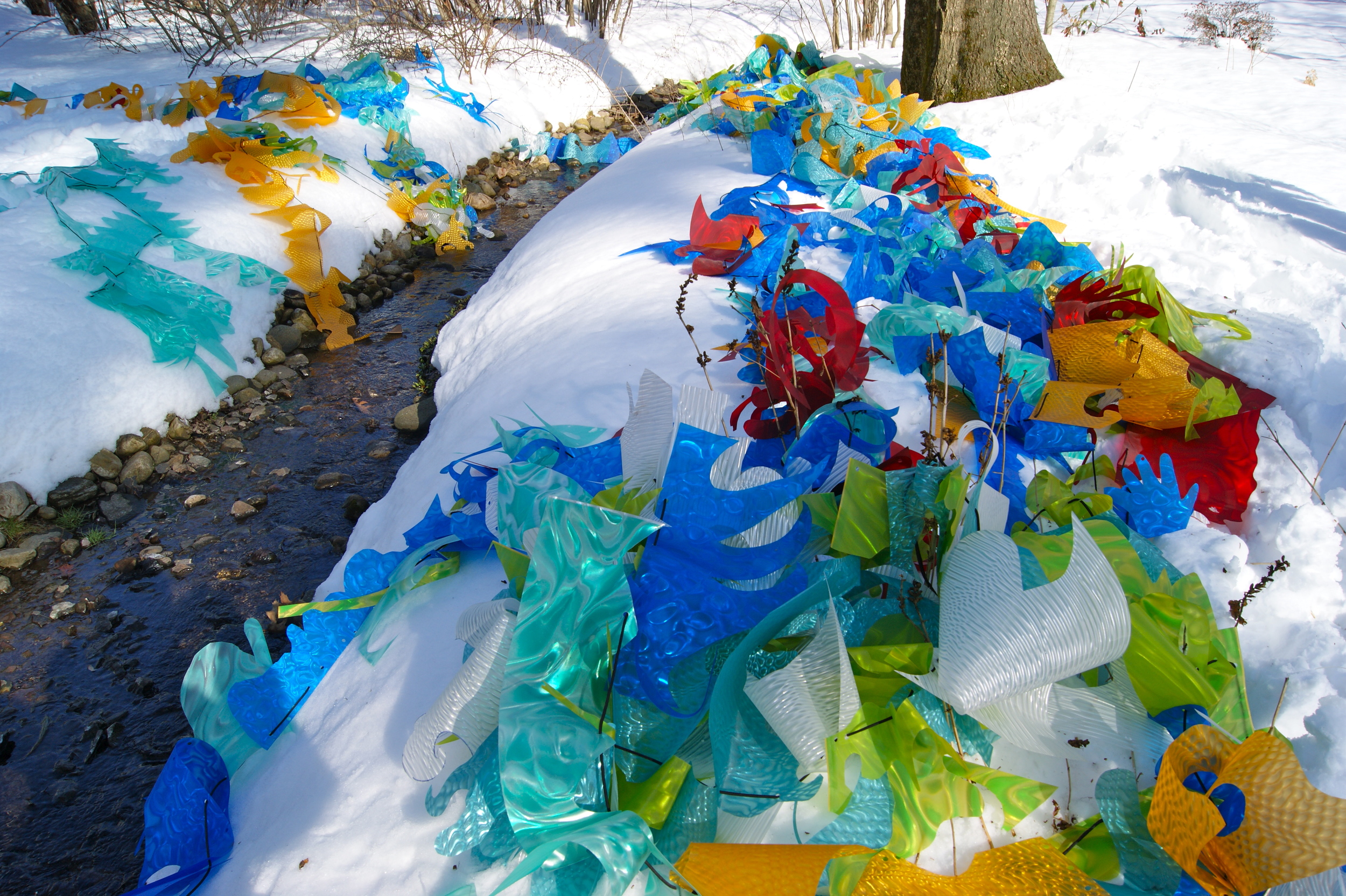
The Wave was a national, interactive, public art project celebrating water and its vital function in our lives. It was created jointly by Susan Hoffman Fishman and Elena Kalman. From September of 2011 through 2017, The Wave was installed in 24 museums, galleries, schools, universities, community centers, festival and parks including: The Peabody Essex Museum (Salem, MA); The National Aquarium (Baltimore, MD); The Rose Kennedy Greenway (Boston, MA); The Wadsworth Atheneum (Hartford, CT); Allegra LaViola Gallery (NYC); Governor's Island (NYC); The New Britain Museum of American Art (New Britain, CT), and others.
Origins of the Project
On March 11, 2011, a magnitude 9.03 earthquake, centered in Japan, triggered powerful tsunami waves that reached heights of up to 133 feet and shifted the Earth on its axis a distance estimated between 4 and 10 inches. The ensuing tsunami devastated the island country, leaving millions of people without homes, electricity and clean water and triggering nuclear meltdowns in the Fukushima Daiichi Nuclear Power Plant. Waves resulting from the tsunami reached throughout the Pacific Ocean, including the coastal areas of California, Oregon, Washington, British Columbia and western Alaska.
Here, in Connecticut, my fellow artist, Elena Kalman, and I were struck by our own visual images of that 2011 tsunami in Japan literally 'connecting' us all to one another: this enormous wave originating across the world and traveling from continent to continent before washing up on our own 'back door.' We talked about developing a project that would visually represent how dramatically we are all connected, regardless of our nationality, religious preferences, race or other artificial divisions, by our mutual dependence on water, one of the most fundamental requirements for life on Earth and by our mutual susceptibility to the impact of major water events like tsunamis, rising tides, floods and drought.
The Wave as Public Art
During our conversations, we discussed an appropriate format for the project, which we eventually dubbed, The Wave. Because we wanted to emphasize the universal nature of water, our individual and community responsibility to protect this vital resource and the theme of 'connected-ness,' we felt very strongly that it needed to be a community engagement, interactive, public art program.
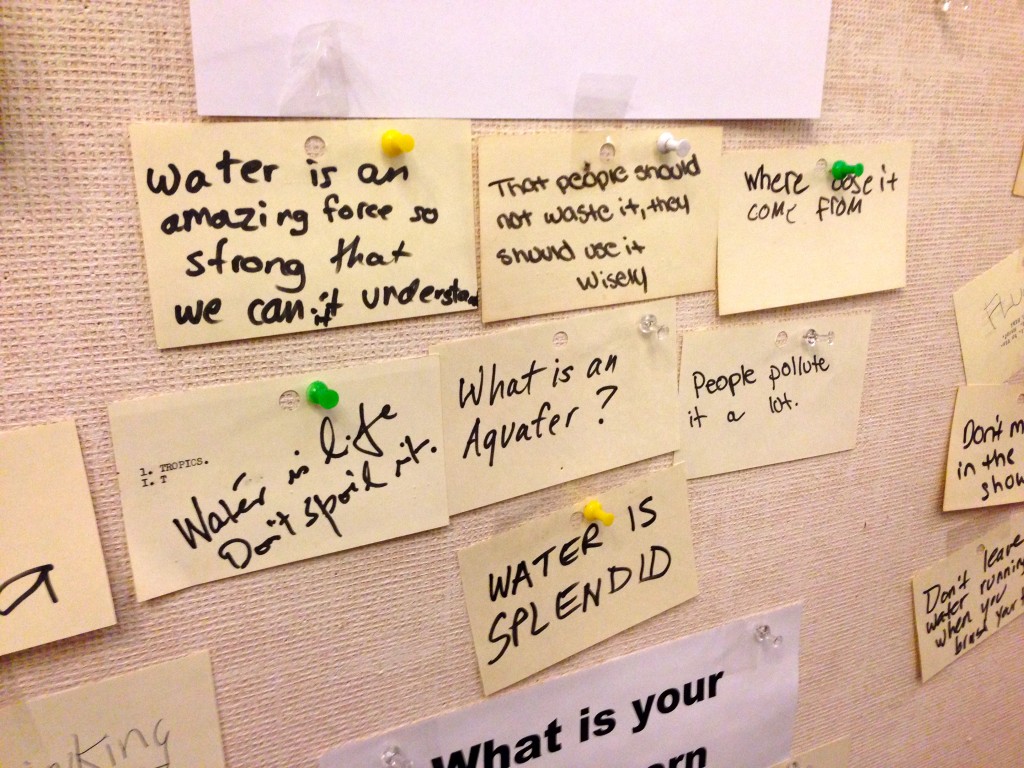
Public art is generally described as any work that is exhibited, and sometimes created, in public spaces so that it is accessible to the general public, not just those who frequent museums and galleries. We chose to create a public art project because, by its very purpose, public art is meant to enrich communities, provoke discussion and heighten awareness of significant public issues and events. An interactive, public art project enables members of the community, not just the artists, to participate in the creation of the work of art itself. Interactive public art inspires creativity among participants around a specific topic, generates community pride and fosters connections among the participants.
The Wave Design and Materials
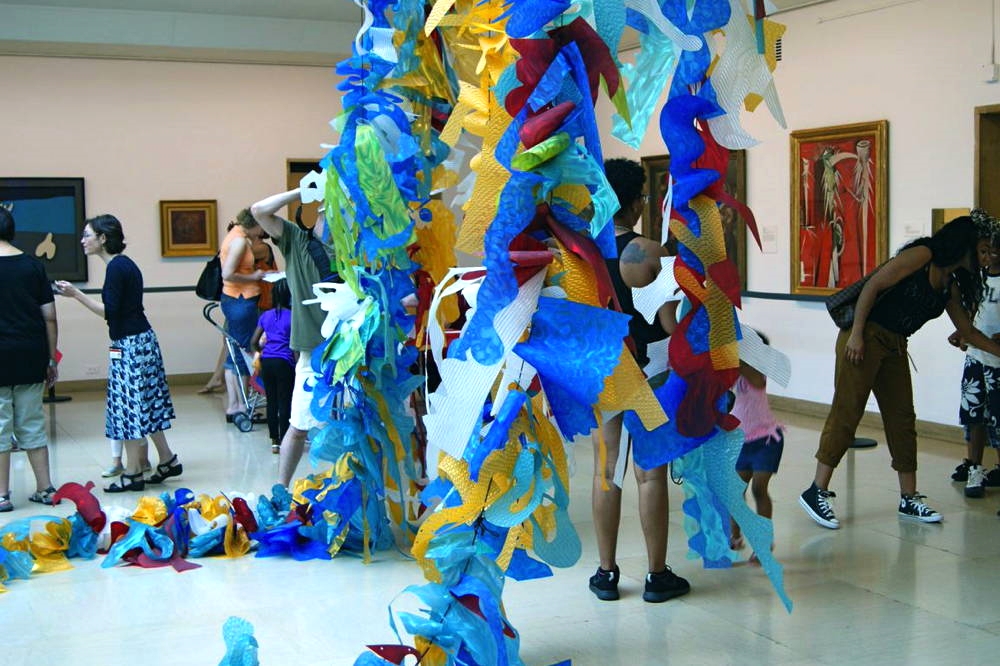
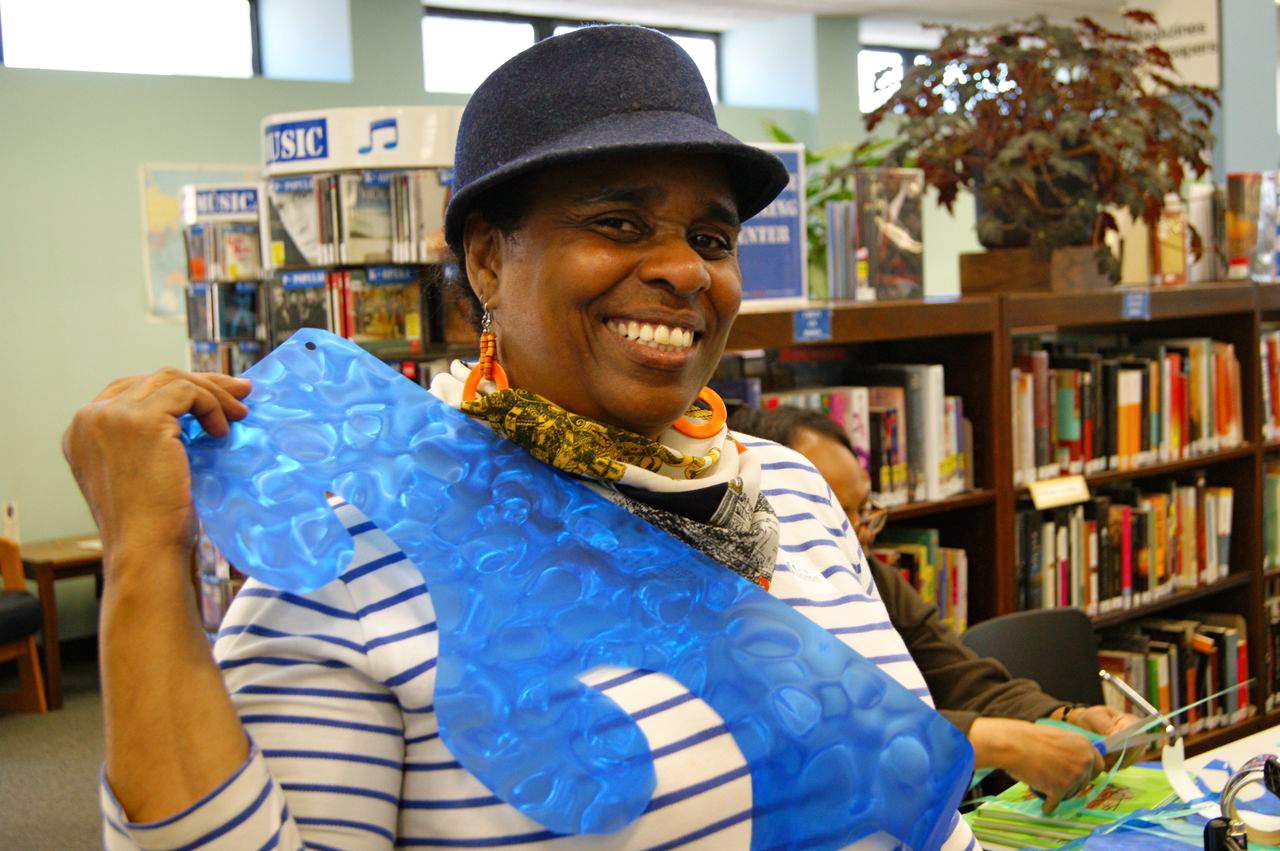
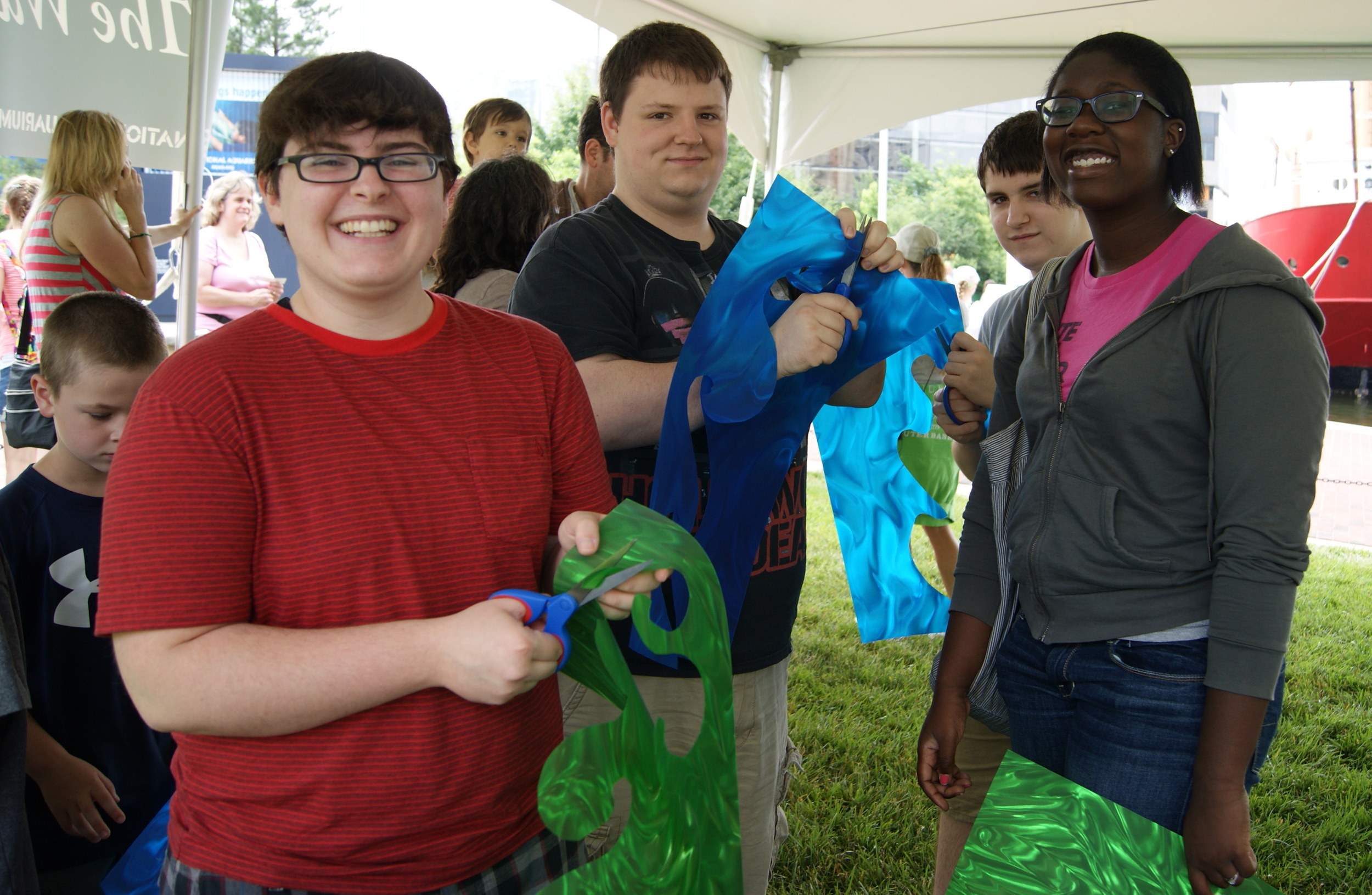
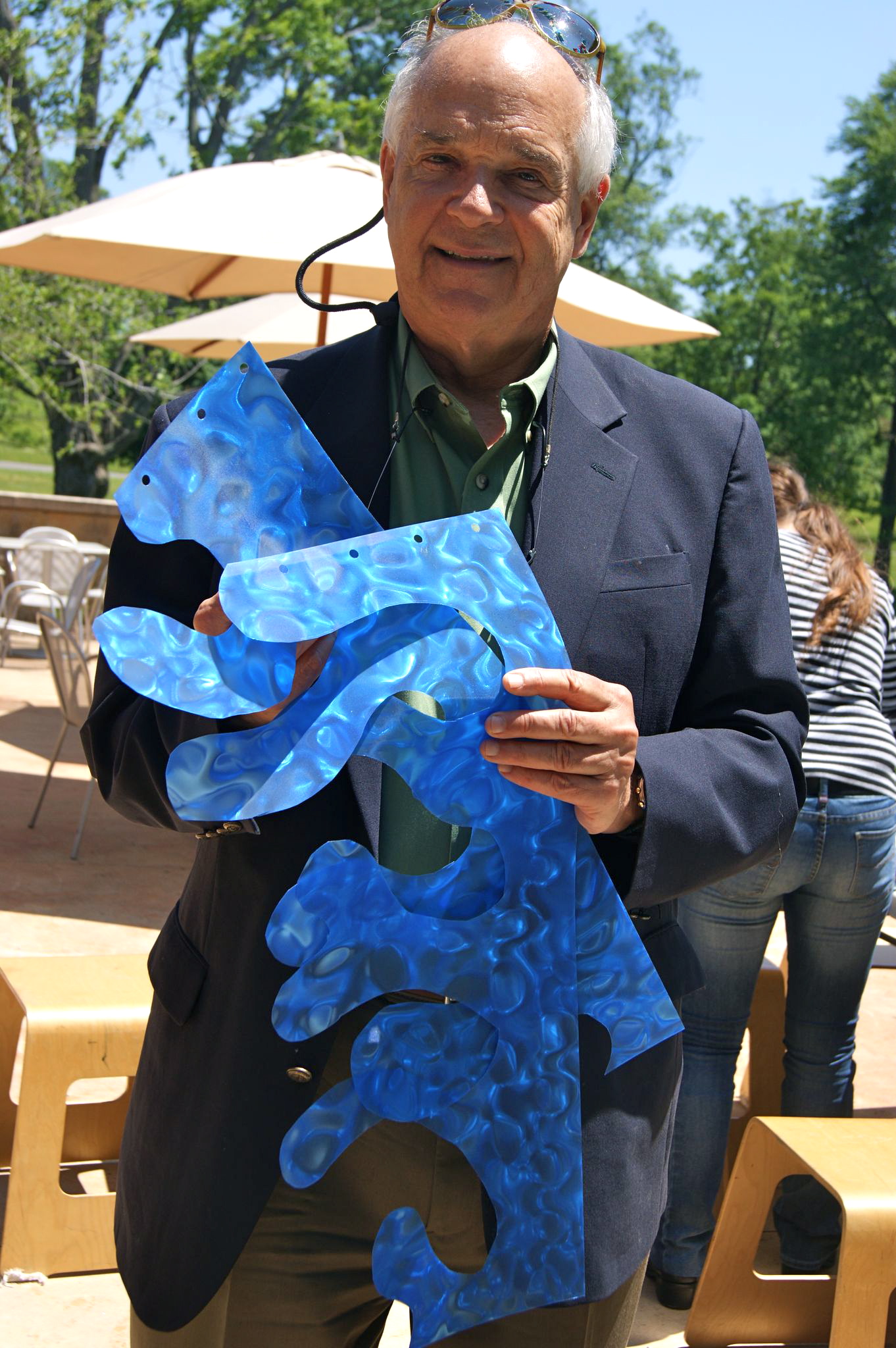
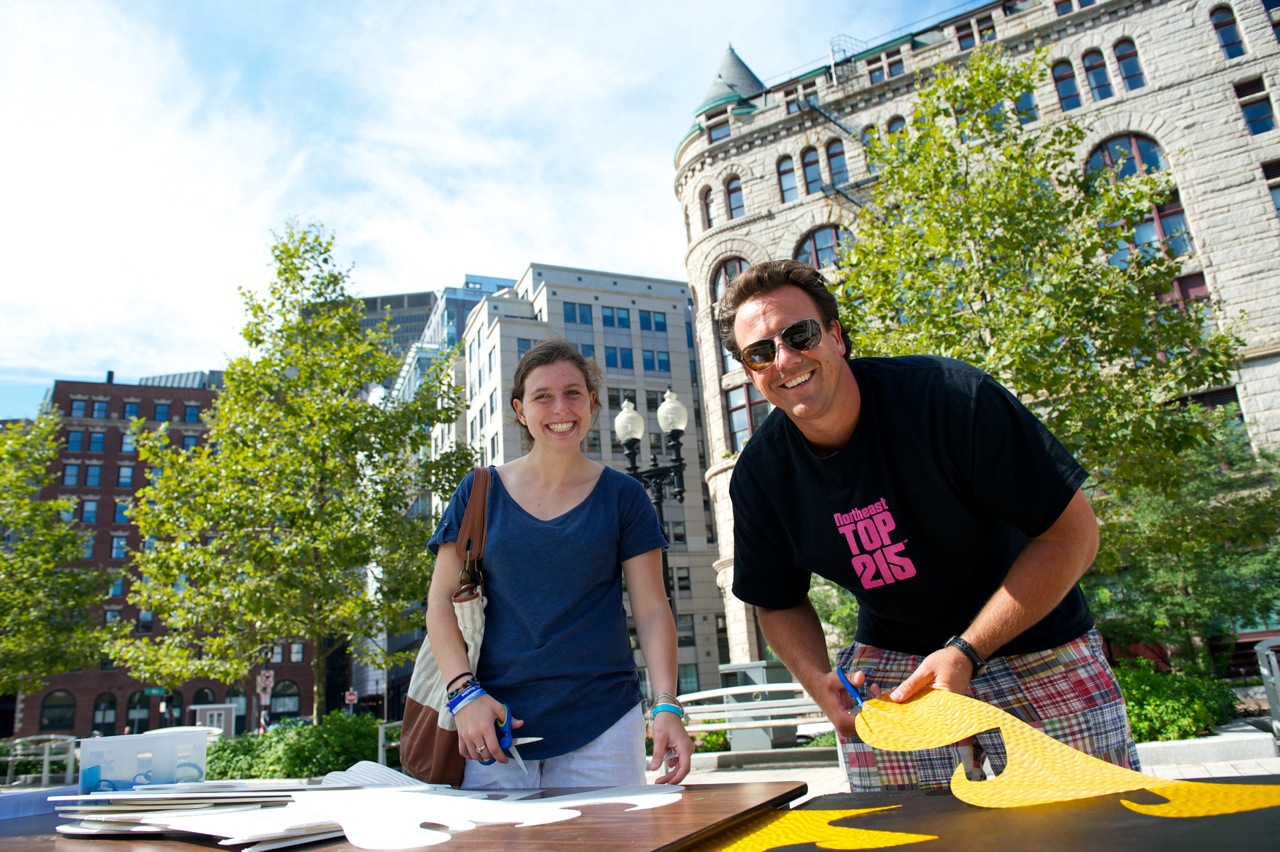
We designed The Wave with these goals in mind. Because the material we used (recyclable, polycarbonate film) is especially unusual, enticing and beautiful, and because it is so easy to simply cut a piece into a wave-like shape, each individual coming to a Wave site could feel successful. Thousands of children as young as five, entire school communities including parents, staff, teachers and students of all abilities and ages, adults who are normally intimidated by making art and seniors, embraced the opportunity to 'connect' their pieces to the growing, glowing and undulating Wave.
The Polycarbonate Film
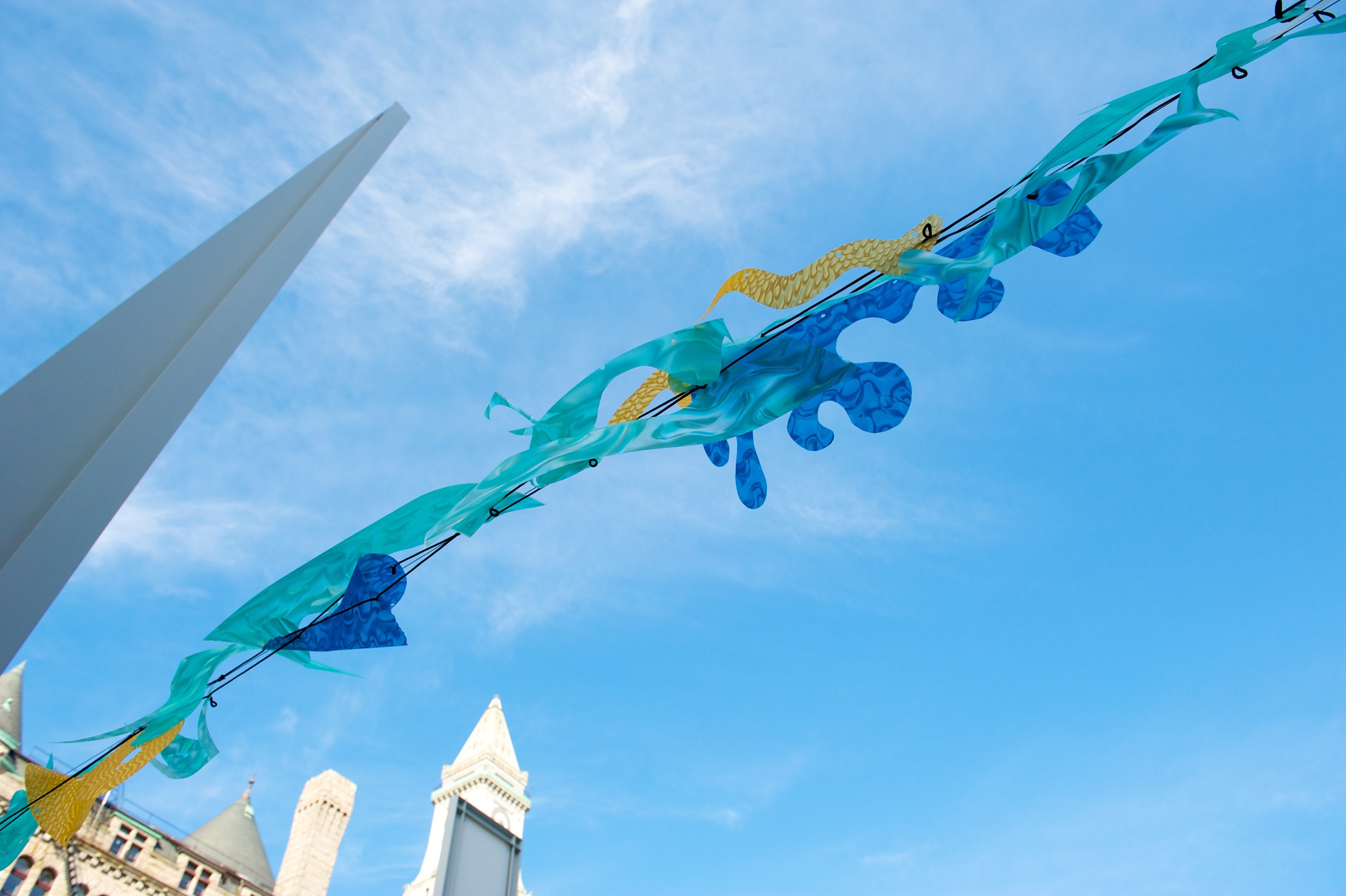
Our choice to use polycarbonate film, which is a form of recyclable plastic, as the primary material for the project, was a powerful way for us to call attention to both the sea of plastic that is now consuming our oceans as well as the addiction as a global society that we have to this inherently beautiful and pervasive product. At each of our sites, we collected all of the scraps from the cutting process so that they would not contribute to plastic pollution. In addition, all of the pieces that were produced during a Wave event were preserved and reused in future installations.
The Parachute Cord
People have asked us why we joined the pieces together with black parachute cord that showed up so prominently as an integral part of the installation. Why not use transparent fishing wire or some other invisible material? And, of course, that was the point. We used the black cord to emphasize how this Wave was created, piece by piece, connecting individuals, communities, states and, hopefully, an entire nation, to one another.
One of Scrores of Testimonies
The Wadsworth Atheneum Museum of Art recently hosted The Wave as part of our Second Saturdays for Families program. On a hot July day, it was a perfect moment to be thinking about water and its role in our lives. We listened to water moving through our 17th century fountain and looked at how other artists interpreted water in paintings ranging from the Hudson River School to Helen Frankenthaler. Inspired by the visual impact of other participants’ contributions to this community engagement project, children and adults dove in to become a part of The Wave. Susan and Elena are a devoted team behind an exciting project that captured our imaginations.
Anne Butler Rice, Public Programs Manager, Wadsworth Atheneum Museum of Art