BIO
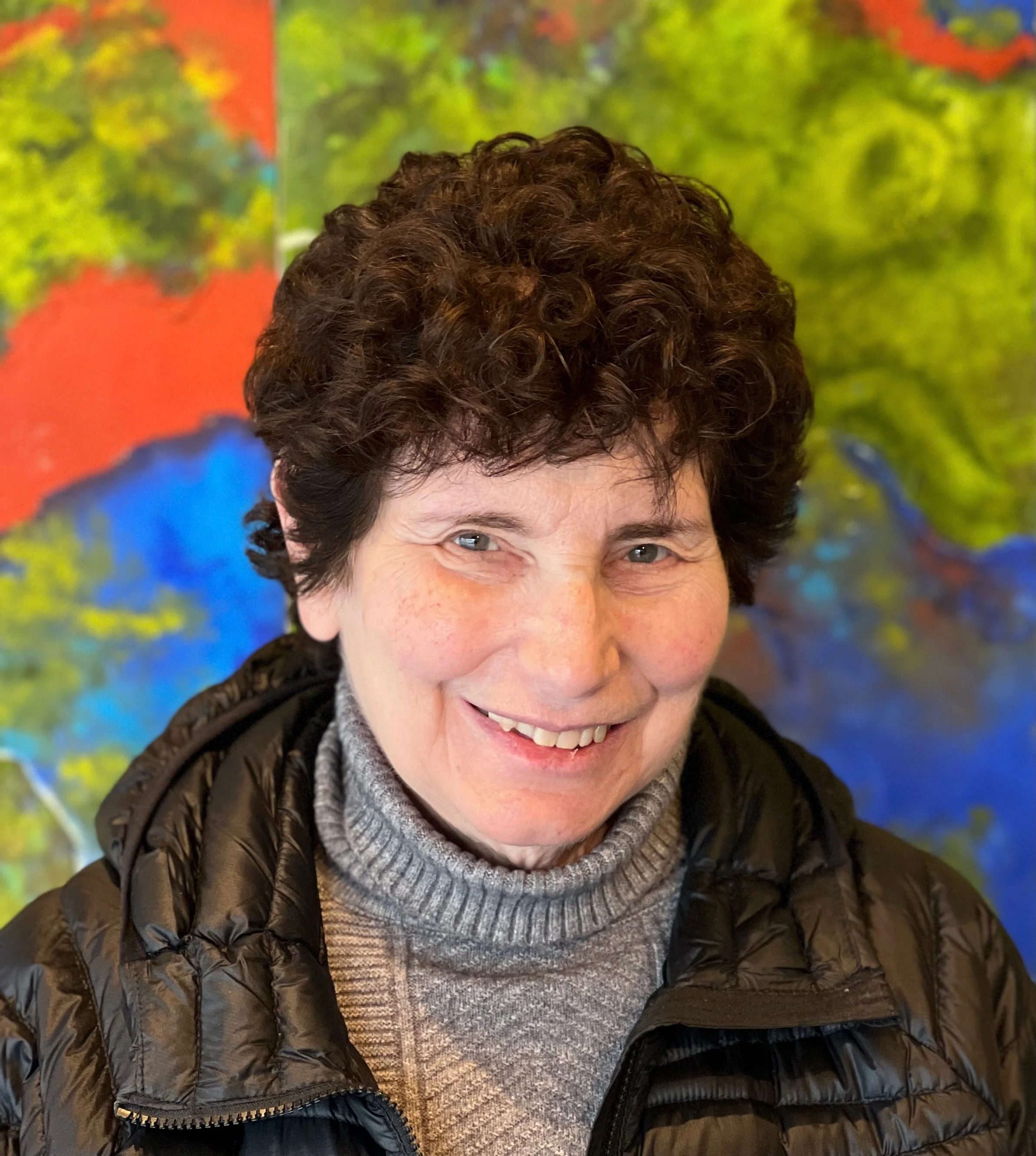
Susan Hoffman Fishman is an American painter, environmental artist, and writer,, whose work explores the relationship between water, climate change, and humanity’s disconnect with the environment. Integrating painting, collage, and cyanotype, she often draws on satellite imagery and environmental data to depict the fragility of the earth. Her practice joins visual art and writing in response to ecological loss and community resilience.
Fishman has exhibited widely in museums and galleries across the US, including the William Benton Museum of Art, (CT); the New Britain Museum of American Art (CT); Stand4 Gallery, (Brooklyn, NY); Yale University (CT), Governor’s Island (NYC); the Alternative Museum (NYC), and numerous others. She has received multiple fellowships, and grants from The Connecticut Office of the Arts, the Awesome Foundation and Crit Lab, etc. and has be awarded many artist residencies, including at Planet Labs (San Francisco), Five Points Center for the Arts (Torrington, CT) and The Swimming Hole Foundation (Bearsville, NY). Reviews of and articles about her work have appeared in Burning Worlds: Climate Change in Art & Literature, The Washington Post, The New York Times, Art Spiel, Sci/Art Magazine, and many others. In addition to her art practice, Fishman writes for art journals and blogs on climate change issues.
ARTIST STATEMENT
I am worried about water.
My paintings, installations and writing reflect my concern around global water issues, which include increased temperatures and evaporation, rising seas, melting permafrost, and desertification. They incorporate acrylic, photographs, maps, cyanotype prints, medical gauze, and fragments of recycled works. I use gauze to stress the wounds that have been inflicted on bodies of water by over-extraction, over-consumption and climate change.
The history of landscape painting includes works that propose nature as sublime and romantic. I create landscapes that are unstable and disfigured. They exemplify what I call the ironic beauty of damaged environments. Constructed as highly fractured surfaces, the paintings characterize the landscapes of our time—receding coastlines, pockmarked expanses, the proliferation of sinkholes, and desert where there was once water.